THE ICON—DAME TWIGGY
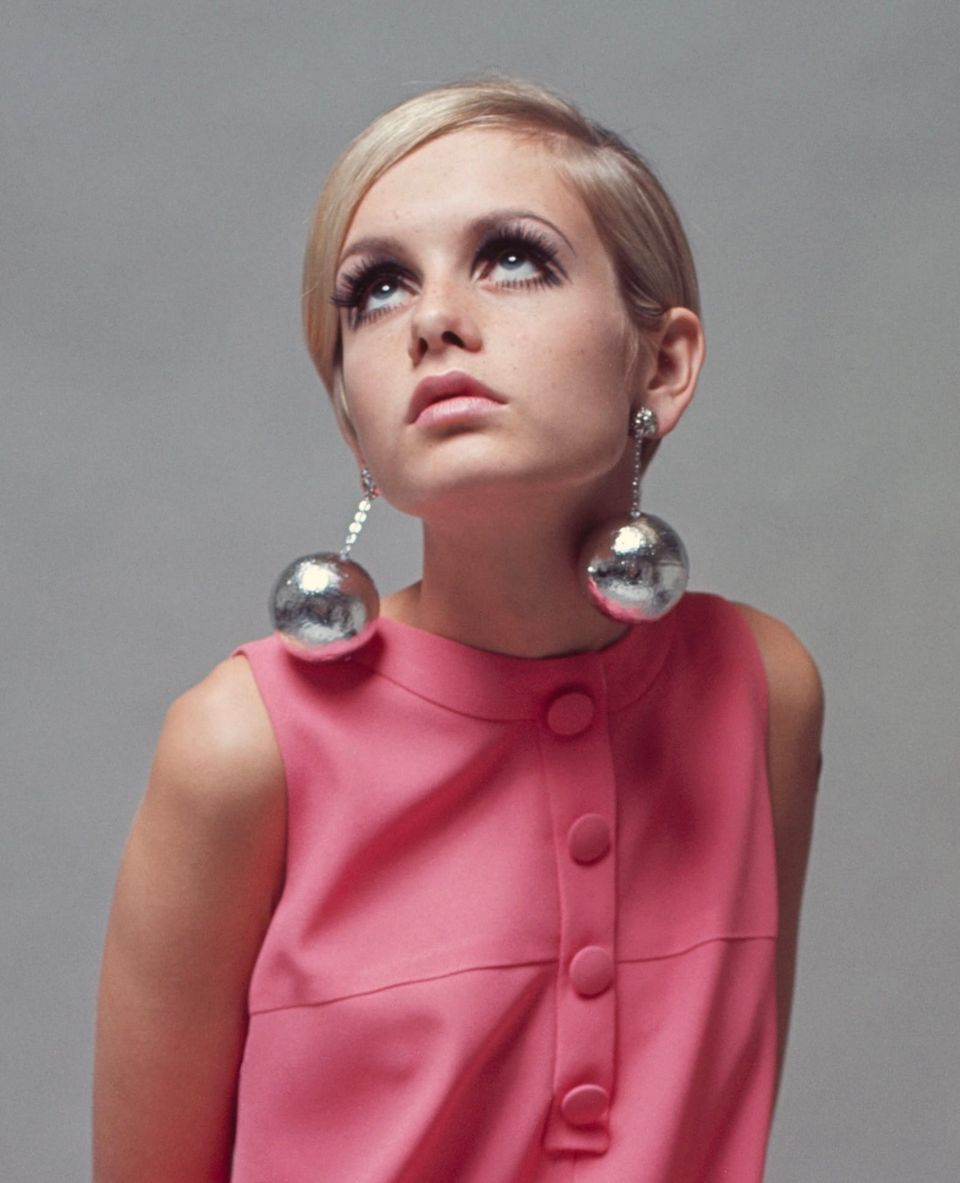
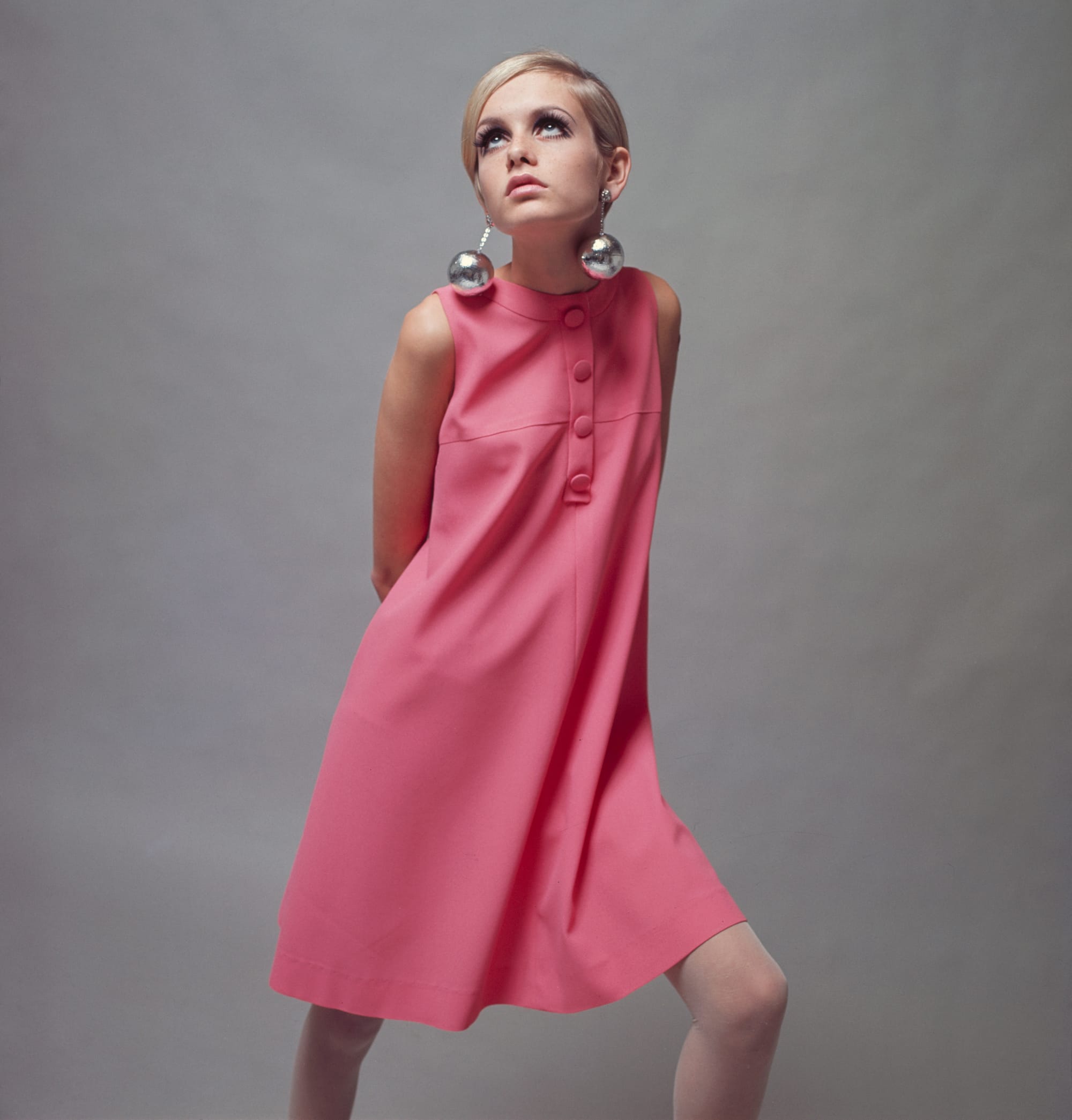
Twiggy: A grand legacy for women. A Dame, a youthquake, a Mini Queen of social aristocracy—and an indisputable British icon.
Of course, though the name Twiggy is synonymous with the image of world-famous British supermodel, one must not be satisfied with so full-stop an assessment. Indeed, modelling occupies such an infinitesimal portion of Twiggy’s story that our more elegant admission would be—although her look was ubiquitous and she was ‘The Face of 66’—we hardly knew her at all.
Or rather, we did not know what to expect.
From ‘The Face of 66’ to Broadway performer, author, interviewer, actor, dancer, singer, designer, podcaster, spokesperson, America's Next Top Model Judge, Dame and mother, Twiggy has repeatedly mastered the art of reinvention and, in doing so, left a wake of fawning fans.
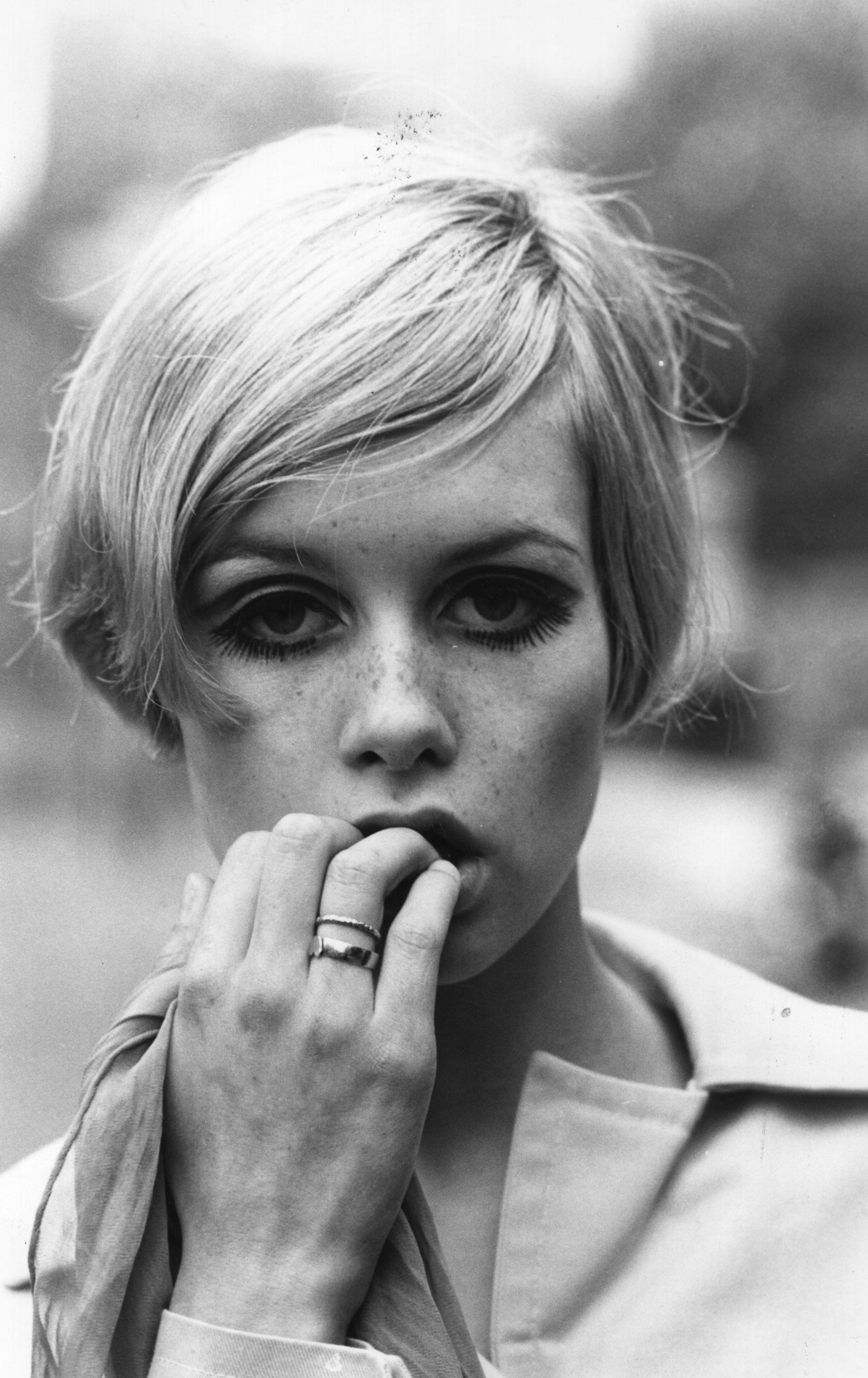
A few days ago, I was first presented with the opportunity to cover the new documentary on Lesley Lawson, née Hornby by Sadie Frost, a director of extraordinary instinct. Before the interview, I was still swimming rather contently in my youthful infatuation with this gender-fluid, waifish, innocent, doll-like fashionista with a pixie haircut that we know as Twiggy.
However, my very one-dimensional idea of Twiggy the model would prove embarrassingly wrong.
The Oxford Review, a small independent journal of literature, culture and style, joined The New York Times and Vogue among the few magazines invited to the Bottino Restaurant in Chelsea to interview the iconic Twiggy and the emerging legend Sadie Frost about Frost’s forthcoming documentary, Twiggy: The Woman Behind the Icon.
Twiggy Official UK Trailer Studio Soho Distribution
There are certain unmistakable qualities shared by Dame Twiggy and Sadie Frost that rather insist upon one’s attention. They both possess a subtle romantic quality: a rainmaking awe that comes with a force of nature. Both were intimidatingly confident, unexpectedly generous and possessed a hypnotic charisma which pulled everyone into their orbit.
Frost’s documentary pays affectionate tribute to the idealistic, industrious and almost quixotically innocent Twiggy whilst tracing her evolution into the frank, respected, and gloriously down-to-earth Dame Twiggy of today.
Illustrated in the documentary and confirmed in our interview, Twiggy had somehow preserved a curious innocence which she balanced with a no-nonsense attitude and strong work ethic. Somehow Twiggy had inexplicably escaped the occupational hazard of celebrity—cranial inflation—and converted her fame into a lifelong empire of achievements.
For women everywhere, Twiggy has moved beyond her role as just a pretty face and emerged, perhaps unexpectedly, as something of a feminist heroine.
With her petite frame, delicate androgyny, child-like physique and pixy style haircut, Twiggy single-handedly conquered an industry still enamoured of long hair, even longer legs, and hourglass figures. She endured rejection by some who—resembling interrogators rather than interviewers—questioned whether she had any right to become the new face of the fashion industry.
Gracefully, in her famously self-effacing manner, Twiggy answered the questions even as her interviewers were determined to lead her into the lion’s den. What she did differently, however, was refuse to quarrel; instead, she expressed gratitude for the opportunity and smiled as though what they were saying was not entirely true.
It worked.
Their attempts to embarrass her fell flat every time. Her innocently disarming way of seeming unbothered by criticism and outsmarting the interviewers is precisely why Twiggy became a feminist hero.
In the end, she won every time.
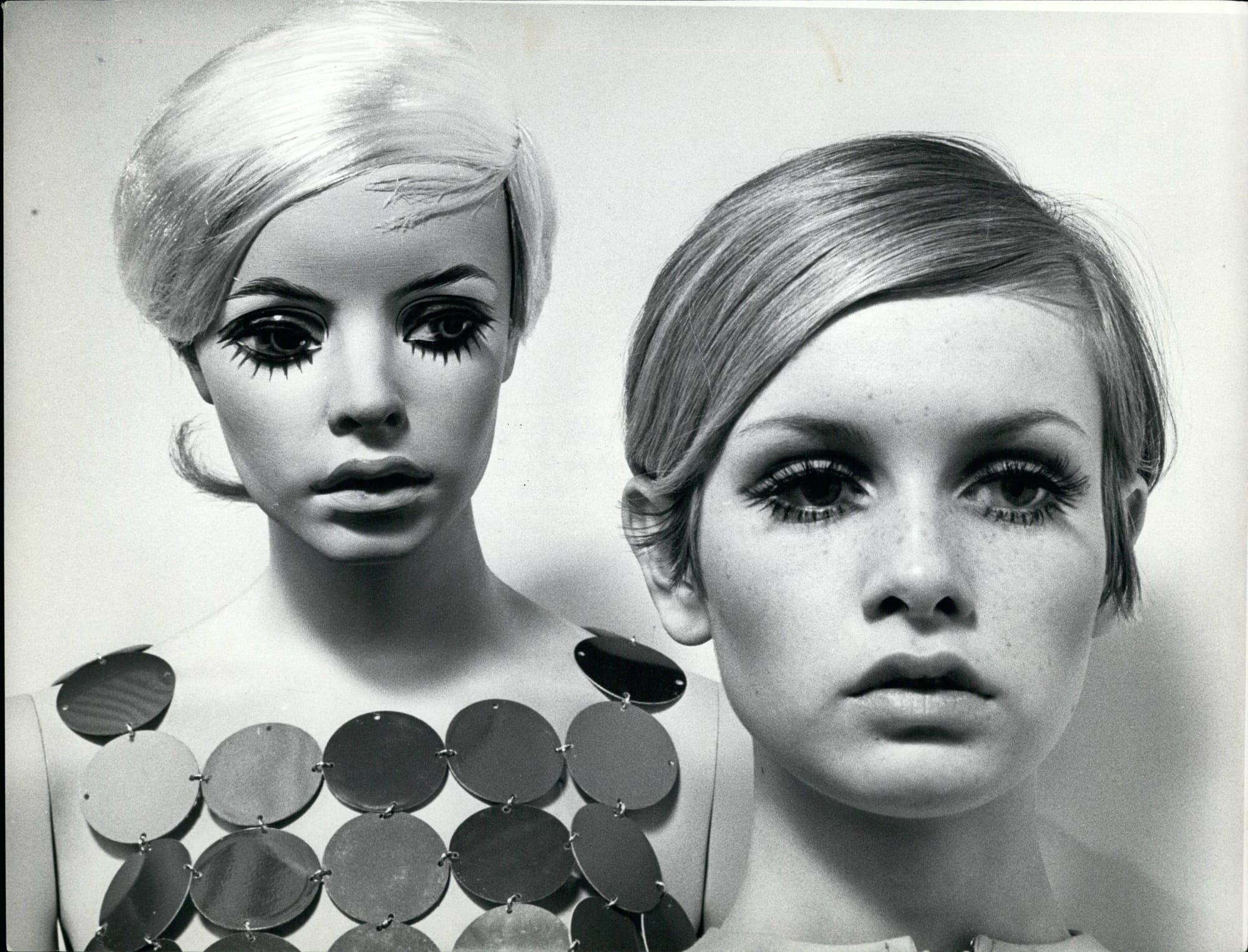
Frost’s documentary follows Twiggy as the public’s infatuation gives way to respect for her tenacity, her grace under pressure and her astonishing willingness to remain vulnerable.
Everyone who encountered Twiggy seemed instinctively to assume a protective role, and that impulse appears to have scarcely diminished in sixty years. The film makes the phenomenon understandable by providing extraordinarily personal and intimate footage of the young, introverted Twiggy as she evolves from a curious, hardworking, multi-dimensional young girl into Twiggy the icon.
The documentary was made with a constellation of talented filmmakers who put a very human spin on a life that others perhaps attribute to good fortune, nepotism, or wealth. Of course, it was none of those. It was simply Twiggy and a protective group of influential people who recognized talent in Twiggy and took a chance. They were never let down.
The older footage reveals an honest, delicate, introspective young girl, who—at times—appears overwhelmed, lost and even a bit reluctant to embrace fame. But as the film unfolds, it is clear that Twiggy has never been the vapid girl that ignorant interviewers (ahem, Woody) had hoped to humiliate.
For a generation of awkward young women growing up in the unblinking spotlight of social media and competitive ‘frenemy’ culture, Twiggy: The Woman Behind the Icon provides a graceful template for timeless elegance under pressure.
It is through Frost’s careful curation of older footage that the film becomes an unexpected yet invaluable tool for the new generation of young women grappling with coming of age through the turbulent and lonely waters of social media. Above all, it offers an example of grace under pressure, an incorruptible innocence and permissible vulnerability that young women are rarely encouraged to express.
Twiggy’s wise suggestion to young girls: ‘Be brave, even though I wasn’t.’
She said it with conviction, like she wished someone had said the same to her. With that, we asked about her mother.
A particularly poignant part of Twiggy’s recollection concerned her mother, whom Twiggy recalls as having developed depression after birth of a child.
‘You know after having a baby depression sets in, but they don’t treat it and your hormones never recover.’
Twiggy explains that at the time, however, her mother’s illness went undiagnosed and untreated until it became severe enough to require psychiatric hospitalisation. Twiggy recalled that her mother later underwent electroconvulsive therapy, which helped ease the depression somewhat, although the family continued to live with the effects of her mother’s illness for the remainder of her mother’s life.
It was evident that finding oneself with a mother who was loving, but required intense care during her ‘dips’ explains exactly how Twiggy navigated success—with caution. With special care periodically needed for her mother, Twiggy’s father, described as the sensible, reliable and benevolent patriarch, found a way to hold the family together with love. Coming from a working-class background in London, her father was humble, down to earth, grounded, and sensible. During our interview, it became clearer how Twiggy had not merely survived fame but also negotiate the emotional uncertainty created by her mother’s mental illness.
Twiggy recalls that her ‘wise old dad’ encouraged her to take the leap.
He did, however, caution her that it was a ‘big chance, but it might only last a few months.’
When asked who fostered her unexpected maturity and helped set her upon the fated path to becoming an icon, Dame Twiggy smiled and looked towards the sky. Her eyes became glassy, not with sadness, but with a warm glow of gratitude. It was a brief, almost majestic pause. Then she looked me in the eye and said,
‘My dad was my rock really because my mum suffered from the illness … It was manic depression, really … but they didn’t know about bipolar then … She was great and I was really close to her …. You know I was a baby. I was very, very loved.’
Thoughtfully, she also mentioned that it was ‘a lot of love’ from the whole family. She paused and repeated, ‘It was a lot of love, really.’ At that moment it became clear that Dame Twiggy was entirely correct. Her trajectory to becoming an icon began—with a lot of love.
But her father didn’t merely speak of love; he demonstrated it. She became visibly nostalgic when recounting the selfless acts and he performed to ensure she had a chance.
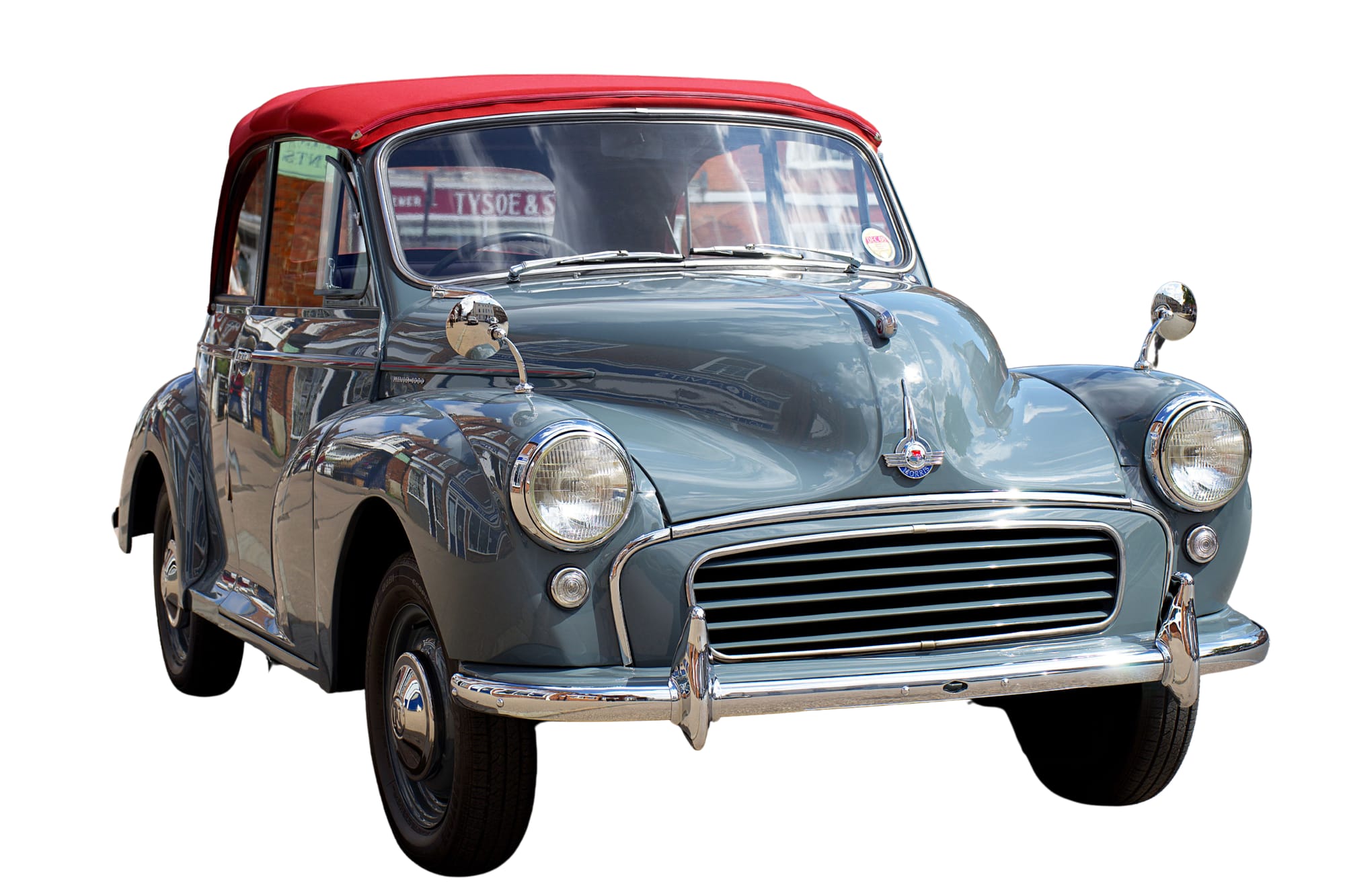
‘He very wisely said that. And I love him. I don’t think I said it in the documentary, but he had a little, Morris car. I had to get to my jobs, you know. I didn’t drive; right. And, I didn’t have a car. I was sixteen. He gave my manager, boyfriend, the keys and said, "I’ll go to work on the train."’
However, that was not his only sacrifice.
Twiggy goes on to explain that her father emptied what little remained of his savings to give her a chance.
‘And I wanted a model bag, and they were so expensive. And he took his savings out of the bank. I think he had like £90 in the bank and bought me that modelling bag.’
Very humbly Twiggy concludes,
‘Luckily it wasn’t a flash in the pan. Well, you know, it could have been.’
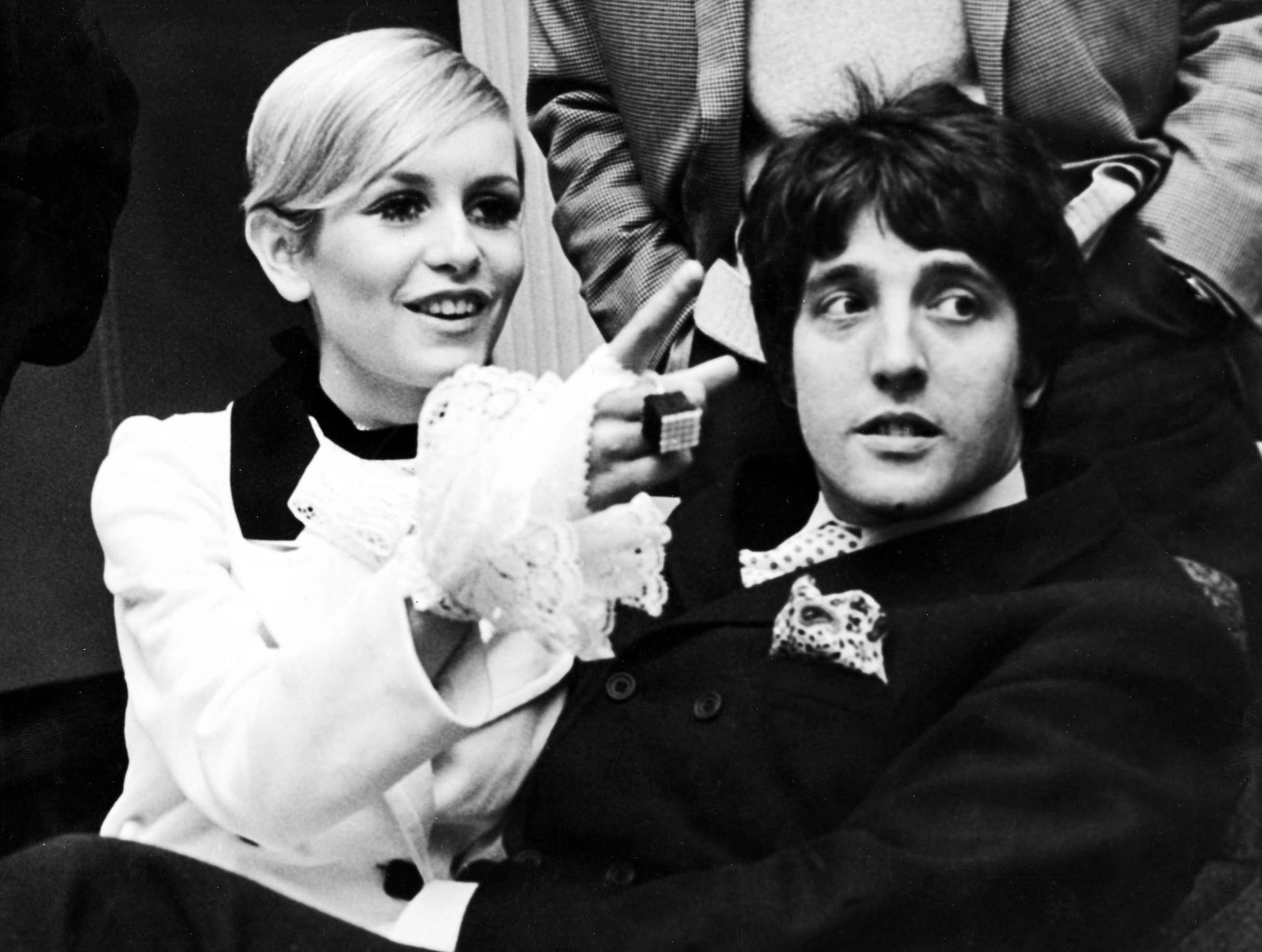
The documentary footage shows a remarkably watchful Twiggy, assessing and contemplating every consequence of each action, even when the decisions themselves were not her own. Twiggy remained grounded under her father’s influence whilst developing her business acumen by watching others around her make rather extravagant mistakes with money. She purchased Biba—highly affordable and trendy—dresses for £2 whilst her manager and boyfriend, Justin de Villeneuve, (born Nigel Davies) purchased a collection of Savile Row suits and drove a Lamborghini Miura.
She drew from many experiences. She was patient. She waited and she listened whilst enjoying the mentorship of visionary filmmakers like Ken Russell, whose professional adoration of Twiggy opened an entirely new artery in her career.
She was a model with no formal experience in acting, singing, or dancing, but Russell was prescient in his vision of Twiggy as a leading lady. His choice did not come without criticism or controversy. Twiggy recalls the studio company initially rejected Russell’s endorsement of her as the lead in his new film The Boy Friend.
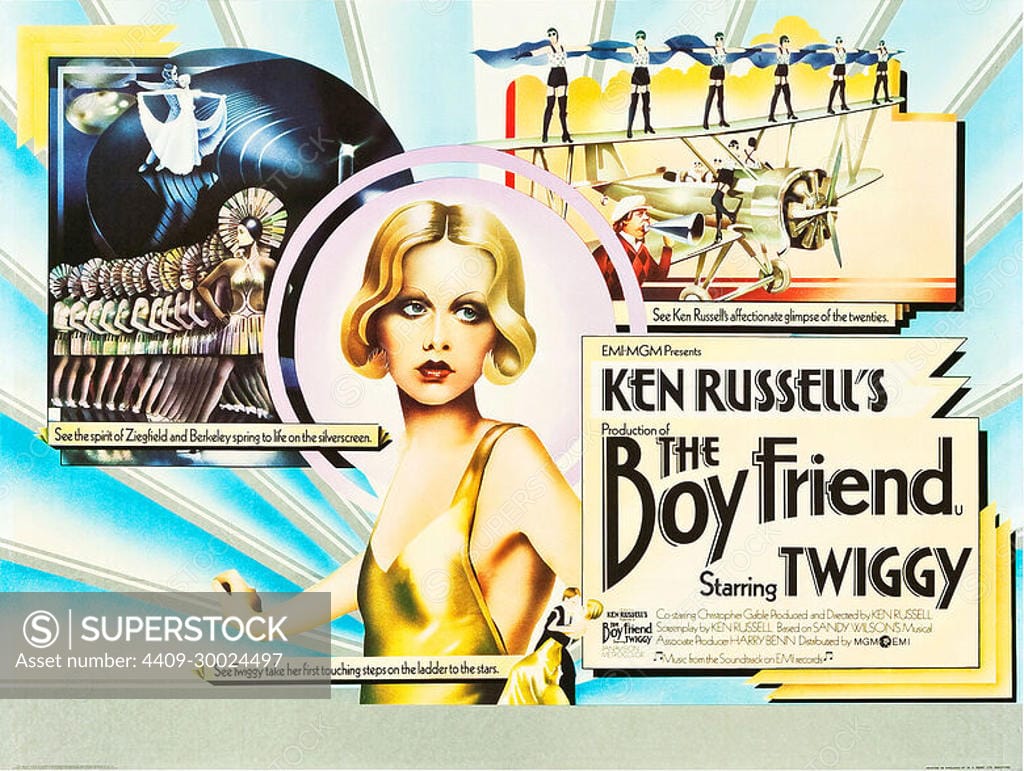
Twiggy recalls Russell approaching the studio asking them to make Twiggy the lead.
'The studio, because he was the big director, said we will go with you, but not with her.’
Russell, however—taking a chance on Twiggy—stood his ground. Despite the studio’s refusal, Twiggy fondly recalled that he fought for her for a year. Russell even threatened not to make the film without her. Finally, the studio conceded but Twiggy says it was with the ominous warning:
'Okay, she can be cast, but if she is bad, be it on your head.’
He staked his career on her. He wasn’t wrong. His gamble paid off handsomely. Twiggy’s success, however, was anything but luck. Twiggy was not given special treatment; she earned her acclaim in that film.
Tommy Tune, who had been dancing since the age of five, recalled being ‘dumbstruck’ by the newcomer’s talent when first he saw Twiggy dancing on stage with Christopher Gable, a celebrated Royal Ballet dancer.
According to Robert Powell, Twiggy’s co-star in Pygmalion, ‘Russell was a director who demanded perfection—more than 101%—and when not given, he would lose his rag.’ By every account in the film, that is exactly what Twiggy gave him.
Of Twiggy, Ken Russell said,
‘She was a very unique person … and of all the people I’ve worked with, she comes nearer to perfection than anyone I have ever met…And she is like a rejuvenating force.’—Ken Russell
Twiggy lived up to Russell’s ethereal vision, winning two Golden Globes: one for Best Actress and New Star of the Year for her role in their 1971 film The Boy Friend.
During our interview, Twiggy was remarkably humble. She repeatedly stressed the importance of her mentors to her success. She was careful not to praise herself, but instead only pointed out the immense talent of her mentors, speaking of them with admiration, affection and respect.
Of Russell, Twiggy says, ‘He was my mentor. He was extremely talented and he changed my life.’
During our interview, Twiggy spoke repeatedly of her gratitude toward all the brave and accomplished people who flocked to mentor her. She recalls being particularly delighted, during the making of the documentary, to reconnect and personally thank Deidre McSharry, influential tastemaker and fashion editor of a large national newspaper, The Daily Express, who discovered Twiggy and declared her ‘The Face of 66’.
During this recollection, Twiggy’s voice became low and reverent as she explained how grateful she was to have had the opportunity to properly thank McSharry; McSharry had died shortly before our interview.
When asked whether there had been one accomplishment that she was grateful to have attempted, but perhaps didn’t believe she could undertake, she says,
‘Oh, My One and Only on Broadway.’
She is the quintessential spokesperson for women looking to escape prescribed moulds, break through the spiky bumpers of social expectations and simply be themselves. There is a reason that Twiggy has remained culturally relevant when several counterparts disappeared—she is unapologetically real. She is neither brash nor is she condescending and she has never been just a model.
Quite the contrary. Twiggy possesses magnetism that has captivated several generations. But what exactly is it about Twiggy? Thankfully, Frost’s film offers a few clues. Twiggy is undeniably effervescent. Her natural buoyancy shines through, even in crippling moments of fear, distraction and intimidation.
This is evident in her honorary doctorate, two Golden Globes, a Tony nomination, and her Damehood—which we all agree should have arrived sooner. Sixty years later, fans still wait with bated breath for the next iteration of Twiggy-trends. Today, rather wonderfully, it happens to be Twiggy herself.
After viewing the documentary, we were left with a newly illuminated portrait of Twiggy—elevated in ways we could scarcely have anticipated. The intimacy embedded in the documentary feels rather like the unrolling of lost scrolls that reveal the location to the fountain of youth. Throughout are warm, candid interviews with an extraordinary constellation of cultural figures, each speaking of Twiggy with an unrehearsed affection.
The film’s remarkable assurance can be attributed to the deft direction of the incredibly brilliant Sadie Frost and her team of talented producers Nick Hamson and Simon Jones, and executive producer Andrew Green. With her last two documentaries, Quant and Twiggy: The Woman Behind the Icon, Frost has established herself as a distinctive and innovative documentary filmmaker, by her rare instinct for showing the private humanity behind her subjects.
What surprised me about the documentary was the immovable force concealed within this quiet, delicate, young girl. It was enormously compelling to watch that contradiction in motion. Twiggy’s self-deprecating, feminine, curious and delightfully introspective nature brings the film to life. Twiggy is simply sublime and endearing.
Twiggy remains iconic not merely because of her beauty, but through the quiet qualities that were not boastful: her fearless playfulness with famous people, rapier wit, and that peculiar combination of innocence and confidence which very few possess.
In elegant Twiggy fashion, she left our interview having praised almost everyone else but herself.
And, thanks to Frost’s documentary, perhaps we are finally able to see Twiggy: The Woman Behind the Icon.